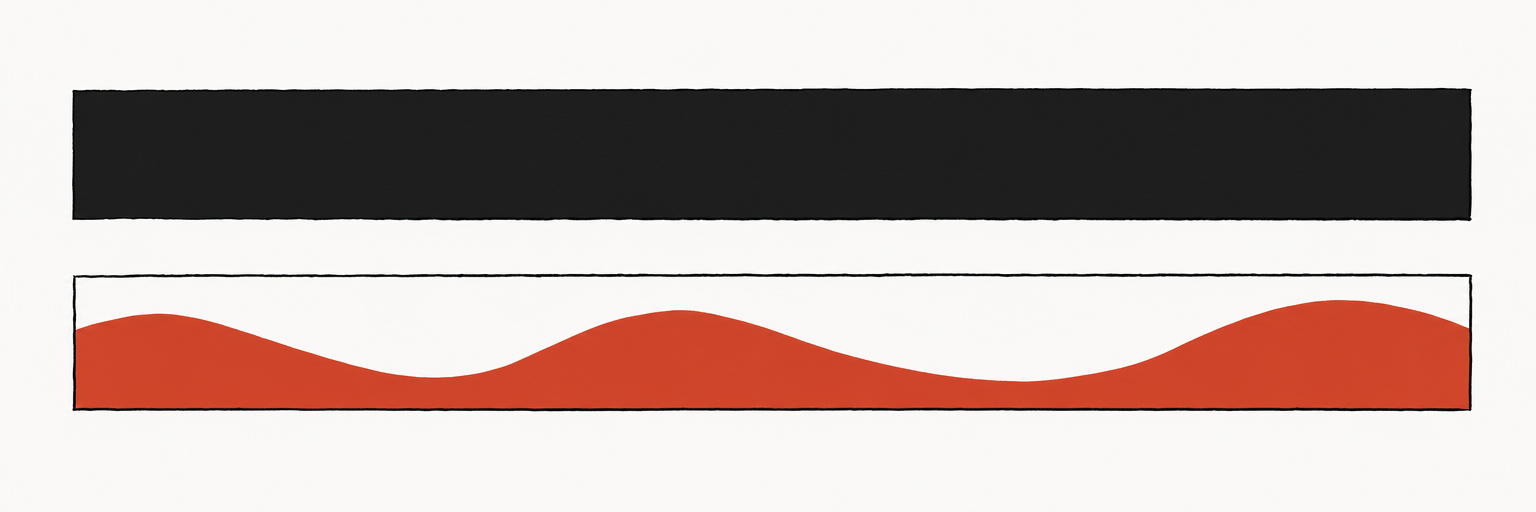
Every expense in your budget falls into one of two categories: fixed or variable. Fixed expenses are the same amount every month. Variable expenses change depending on behavior and circumstances. Knowing which is which changes how you budget for them.
Fixed expenses
Fixed expenses are predictable, recurring costs that stay constant month to month. You have little to no control over them in the short term — they’re locked in by contracts or loan agreements.
Common fixed expenses:
- Rent or mortgage payment
- Car loan payment
- Student loan payment
- Insurance premiums (health, auto, renters/homeowners)
- Subscription services (at a set monthly rate)
- Minimum debt payments
These are easy to budget for: the number is the same every month. The strategy with fixed expenses is to know the total before you budget anything else, because they’re non-negotiable in the near term.
Variable expenses
Variable expenses fluctuate month to month based on usage, choices, and circumstances. You control most of them, which makes them both the most flexible part of your budget and the hardest to predict.
Common variable expenses:
- Groceries
- Gas
- Utilities (electricity, water — usage-dependent)
- Dining out
- Clothing
- Entertainment
- Personal care
- Medical copays
| Expense type | Example | Monthly amount | Predictable? |
|---|---|---|---|
| Fixed | Rent | $1,500 | Yes |
| Fixed | Car payment | $350 | Yes |
| Variable | Groceries | $300–$450 | Partly |
| Variable | Dining out | $50–$200 | No |
| Variable | Utilities | $80–$150 | Seasonally |
A third category worth knowing: periodic fixed
Some expenses are fixed in amount but don’t occur monthly — annual car insurance payments, semi-annual property taxes, yearly subscriptions. These behave like fixed expenses (the amount is known) but require planning because the money needs to accumulate over time. The standard approach is to divide the annual cost by 12 and set that amount aside monthly into a sinking fund.
How to budget for each type
Fixed expenses first. List every fixed expense and total them. This is your floor — the minimum your budget must cover regardless of anything else. If your fixed costs exceed your income, the only options are to increase income or reduce fixed costs (refinance, move, cancel contracts).
Variable expenses with averages. For each variable category, look at 3 months of past spending and take the average. Use that average as your monthly budget. Some months you’ll come in under; others you’ll go over. The average should hold across the quarter.
Track variable expenses actively. Fixed expenses are automatic — they debit and you move on. Variable expenses require ongoing attention, because they’re where the budget actually gets decided day to day. A weekly 5-minute check of your variable spending keeps you from discovering surprises at month’s end.
Where cuts come from
When your budget is tight, fixed and variable expenses offer different options.
Cutting fixed expenses is harder but bigger: a cheaper apartment saves $300 per month every month, automatically, for years. Refinancing a car loan or shopping insurance annually can produce similar effects.
Cutting variable expenses is easier to start but requires ongoing effort: deciding to spend $150 less on dining out requires making that decision repeatedly. The cuts don’t stick automatically.
Most people find the right approach is a combination: reduce one or two fixed costs when possible, set firm monthly limits on the variable categories that tend to run high, and track weekly to catch overruns before they become problems.
One more distinction: needs vs wants
Fixed expenses are mostly needs; variable expenses mix needs and wants. Groceries are a need; dining out is a want. Gas to get to work is a need; a second car might be a want. The NerdWallet guidance on variable expenses is practical: identify which variable expenses are true necessities (that you can still reduce) versus discretionary, and apply tighter limits to the discretionary ones when the budget is under pressure.